
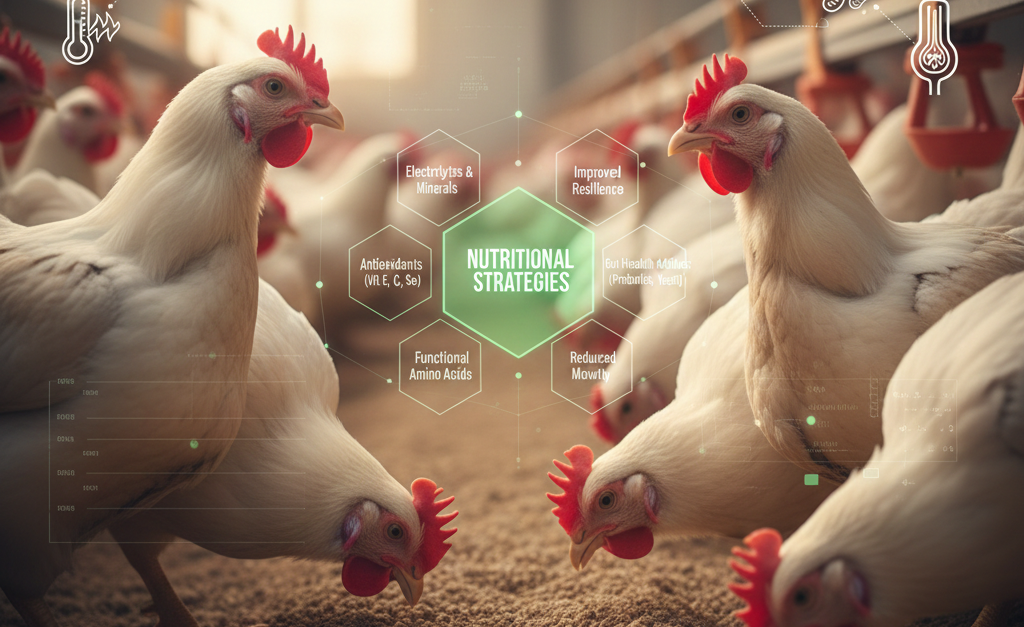
Poultry production faces significant challenges due to heat stress and infectious diseases, both of which can dramatically reduce growth, feed efficiency, and overall productivity. Global temperature increases and intensive production systems make these stressors more prevalent, requiring proactive management strategies. Among these, nutrition plays a central role in mitigating the negative impacts and supporting bird resilience.
Understanding Heat Stress in Poultry
Heat stress occurs when birds are unable to dissipate body heat efficiently, leading to elevated core temperatures. Physiological consequences include:
- Reduced feed intake and growth
- Impaired digestion and nutrient absorption
- Weakened immune responses
- Increased mortality in severe cases
During heat stress, birds experience oxidative stress, electrolyte imbalance, and dehydration, all of which make them more susceptible to infectious agents.
The Role of Infectious Diseases
Infectious diseases, whether viral, bacterial, or parasitic, can compound the effects of heat stress. Common challenges include respiratory infections, coccidiosis, and enteric pathogens, which can reduce growth, trigger secondary infections, and increase mortality rates. Heat-stressed birds are less able to mount effective immune responses, making disease outbreaks more severe and harder to control.
Nutritional Strategies to Mitigate Losses
Effective nutrition can enhance resilience against both heat stress and infectious diseases. Key strategies include:
- Optimizing Energy and Protein Levels
During heat stress, feed intake decreases. Diets should be formulated with higher energy density and easily digestible protein sources to meet nutritional requirements without overloading the digestive system. - Incorporating Electrolytes and Minerals
Electrolytes such as sodium, potassium, and magnesium help maintain acid-base balance, support hydration, and improve thermoregulation. Mineral supplementation ensures birds maintain metabolic functions during high temperatures. - Using Antioxidants
Vitamins E and C, selenium, and plant-derived antioxidants help reduce oxidative stress caused by high temperatures. Antioxidants also support immune function, improving resistance to infections. - Adding Feed Additives for Gut Health
- Probiotics and prebiotics stabilize gut microbiota, enhance nutrient absorption, and support immune function.
- Organic acids and enzymes improve digestion and nutrient availability, reducing gut stress and pathogen load.
- Yeast extracts and β-glucans stimulate innate immunity and improve resilience to infections.
- Implementing Functional Amino Acids
Amino acids such as methionine, lysine, and threonine are crucial for maintaining tissue repair, antioxidant defense, and immune responses. During stress or disease challenge, their requirements increase. - Optimizing Water Quality and Feed Form
Adequate clean water intake is essential during heat stress. Pelleted or crumbled feed can reduce feed wastage and ensure consistent nutrient intake under challenging conditions.
Integrating Nutrition with Management
While nutrition is critical, it should be integrated with environmental and biosecurity measures:
- Proper ventilation and cooling systems
- Stocking density management
- Vaccination programs and disease monitoring
- Hygiene and litter management
When combined with targeted nutrition, these practices create a holistic approach that minimizes the impact of stress and disease on flock performance.
Conclusion
Heat stress and infectious diseases are major constraints in modern poultry production, affecting growth, feed efficiency, and overall flock health. Strategic nutritional interventions—including energy-dense diets, antioxidants, electrolytes, functional amino acids, and gut health-promoting additives—can significantly reduce losses and enhance resilience. By integrating nutrition with effective management, producers can safeguard performance, reduce mortality, and improve economic returns even under challenging environmental and disease pressures.