
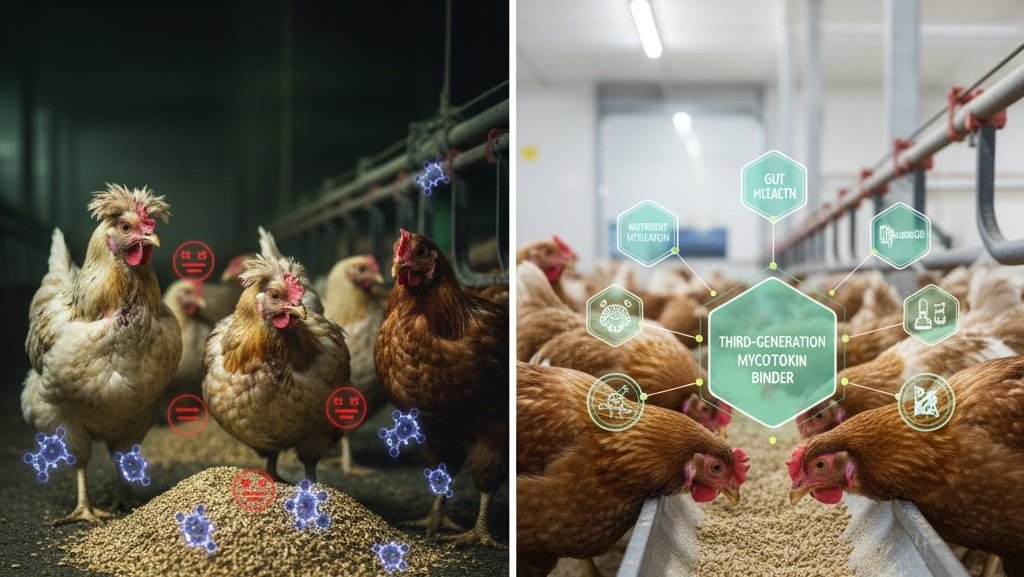
Mycotoxins are naturally occurring toxic compounds produced by certain fungi that contaminate feed ingredients such as cereals and oilseeds. In poultry, cattle, and other livestock, mycotoxin contamination can lead to reduced growth, poor feed efficiency, immunosuppression, and increased susceptibility to disease, resulting in significant economic losses. As awareness of these impacts grows, the use of third-generation mycotoxin binders has become a critical tool in modern animal nutrition.
Understanding Mycotoxin Challenges
Even at low levels, mycotoxins can disrupt digestion, impair nutrient absorption, and compromise immune function. Common mycotoxins in feed include aflatoxins, ochratoxins, fumonisins, zearalenone, and trichothecenes. Their effects may be subtle but cumulative, leading to chronic performance losses and increased mortality during stress or disease outbreaks.
Traditional binders, such as clay minerals, can sequester some mycotoxins, but their efficacy is often limited to specific toxins and may not address broader health effects. This limitation has driven the development of third-generation binders, which combine toxin-binding capacity with immune support and gut protection.
Composition and Mechanism of Third-Generation Mycotoxin Binders
Third-generation mycotoxin binders are multi-functional feed additives that include:
- Microsilicates and aluminosilicates: These components bind a wide spectrum of mycotoxins in the gastrointestinal tract, reducing absorption into the bloodstream.
- Yeast extracts and β-glucans: Derived from BetaActive® or similar technologies, these compounds stimulate the immune system, enhance gut barrier function, and improve resilience to environmental and microbial stressors.
- Nucleotides: Free nucleotides support liver regeneration and tissue repair, mitigating the physiological damage caused by mycotoxins.
- Additional bioactive compounds: MOS (mannan-oligosaccharides) and other prebiotic components support gut microbiota, further enhancing nutrient absorption and immune defense.
This holistic formulation ensures protection against multiple mycotoxins while simultaneously supporting growth, feed efficiency, and overall flock health.
Benefits for Performance and Productivity
The use of third-generation mycotoxin binders provides measurable benefits in production systems:
- Improved Growth and Feed Conversion: By reducing the negative impact of mycotoxins on digestion and nutrient absorption, birds and livestock maintain optimal growth and achieve better feed conversion ratios.
- Enhanced Immunity: β-glucans and yeast-derived bioactives stimulate the immune system, reducing the incidence and severity of infections and minimizing losses due to disease.
- Liver Protection and Recovery: Nucleotides support detoxification and repair of liver tissue, critical in animals exposed to chronic mycotoxin contamination.
- Consistency Across Flocks: By mitigating subclinical mycotoxin effects, third-generation binders help maintain consistent growth rates and production outcomes, reducing variability in flock performance.
Practical Considerations
Third-generation mycotoxin binders are typically added to feed at inclusion rates ranging from 1 to 2 kg per metric ton, depending on contamination risk. Their effectiveness depends on consistent use, integration into a comprehensive mycotoxin management program, and attention to feed storage and handling practices.
By combining toxin binding with gut health and immune support, these additives provide a cost-effective strategy to protect animal health and maximize productivity, even under conditions of environmental stress or variable feed quality.
Conclusion
Mycotoxins remain a persistent threat to animal production, impacting performance, health, and economic returns. Third-generation mycotoxin binders offer a modern, holistic solution by simultaneously reducing toxin absorption, enhancing immunity, and supporting liver and gut health.
For poultry, cattle, and other livestock, their use translates into improved feed efficiency, consistent growth, and reduced disease-related losses, making them an essential component of contemporary feed programs. By integrating these binders into routine nutrition strategies, producers can safeguard animal health, optimize performance, and ensure sustainable, profitable production.